

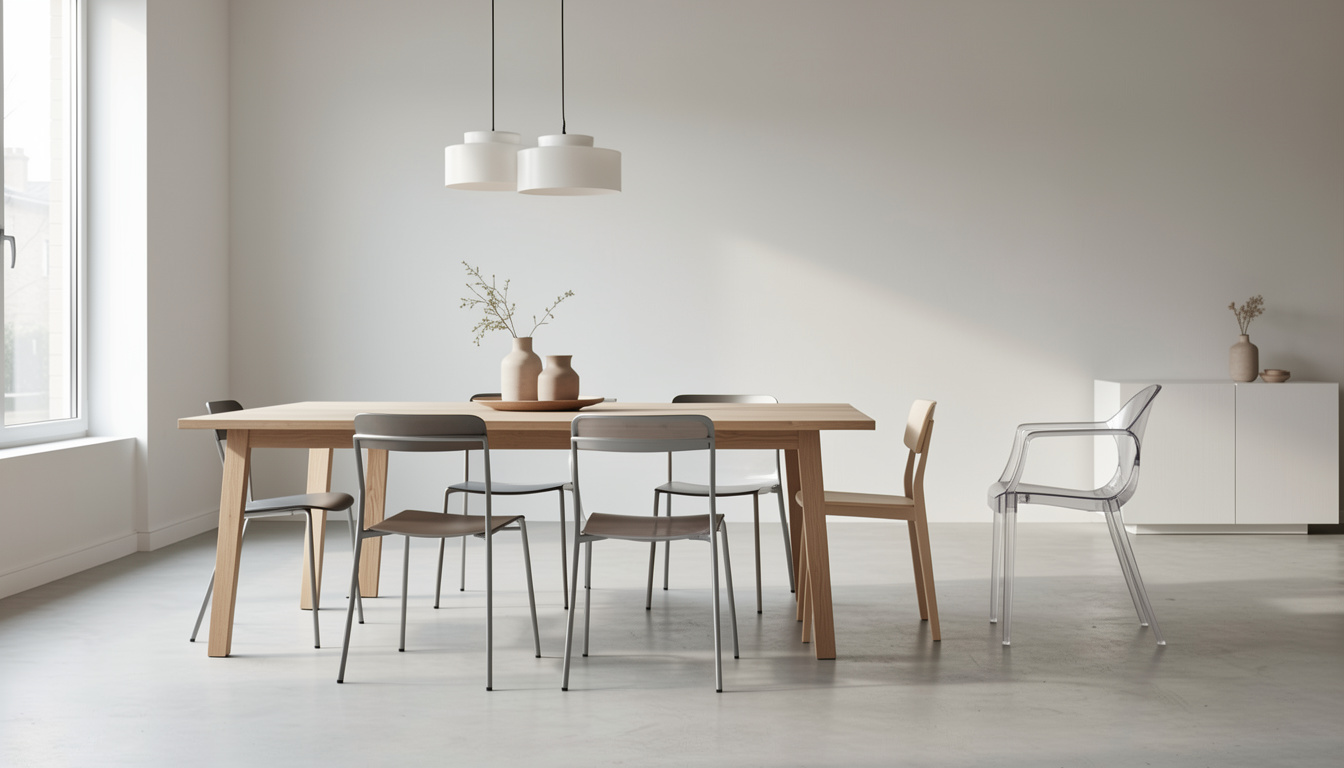
Introduction
Choosing the right furniture for your home or office is an important decision. Furniture not only influences the appearance of a space but also affects comfort, durability, and long-term value. One of the most important factors to consider when buying furniture is the material it is made from.
Three of the most common furniture materials are wood, metal, and plastic. Each material has its own advantages, disadvantages, and ideal uses. Understanding these differences can help you make better purchasing decisions and choose furniture that suits your needs, lifestyle, and interior design preferences.
In this guide, we will explore the characteristics of wood, metal, and plastic furniture to help you decide which option is best for your home or office.
Wood Furniture
Timeless Beauty and Warmth
Wood furniture has been used for centuries and remains one of the most popular choices for homes. Its natural texture and warm appearance bring elegance and character to any room.
Wood furniture works well in many interior design styles, including traditional, modern, rustic, and Scandinavian interiors.
Durability and Strength
High-quality wooden furniture is known for its durability. Solid wood pieces such as dining tables, cabinets, and beds can last for decades when properly maintained.
Hardwoods like oak, teak, and mahogany are particularly strong and resistant to wear.
Versatility
Wood furniture is extremely versatile. It can be carved, shaped, polished, or painted to create a wide range of styles and designs. Whether you prefer a classic wooden dining table or a modern minimalist desk, wood offers countless design possibilities.
Maintenance
Wood furniture does require some care. It should be protected from excessive moisture and direct sunlight to prevent damage or fading.
Regular cleaning and occasional polishing can help maintain its appearance and longevity.
Best Uses for Wood Furniture
Wood is commonly used for:
- Dining tables
- Bed frames
- Cabinets and wardrobes
- Coffee tables
- Office desks
Because of its strength and aesthetic appeal, wood furniture is often considered a long-term investment.
Metal Furniture
Modern and Industrial Style
Metal furniture has become increasingly popular in modern interior design. Its sleek and industrial appearance works well in contemporary homes and office environments.
Materials such as steel, aluminum, and iron are commonly used to produce metal furniture.
Exceptional Strength
Metal furniture is extremely strong and durable. It can support heavy weight and withstand frequent use, making it ideal for offices, public spaces, and commercial environments.
Unlike wood, metal is less likely to crack or warp over time.
Low Maintenance
Metal furniture is relatively easy to maintain. It can be cleaned quickly with a damp cloth and typically requires minimal upkeep.
Some metal furniture is treated with protective coatings to prevent rust and corrosion.
Lightweight Options
While some metal furniture can be heavy, materials like aluminum are surprisingly lightweight. This makes it easier to move or rearrange furniture when needed.
Best Uses for Metal Furniture
Metal furniture is often used for:
- Office chairs and desks
- Industrial-style shelves
- Outdoor furniture
- Bed frames
- Bar stools
Its durability and modern appearance make metal furniture a practical choice for many spaces.
Plastic Furniture
Affordable and Practical
Plastic furniture is known for being one of the most affordable options available. It is widely used in homes, outdoor areas, and casual environments.
Because plastic is inexpensive to produce, it allows people to furnish spaces at a lower cost.
Lightweight and Easy to Move
One of the biggest advantages of plastic furniture is its lightweight design. Chairs and tables made from plastic can easily be moved or stacked, making them convenient for flexible spaces.
This makes plastic furniture particularly useful for events, patios, balconies, and temporary seating areas.
Weather Resistance
Plastic furniture is resistant to moisture and does not rust like metal or warp like wood. This makes it suitable for outdoor environments.
Many plastic chairs and tables are specifically designed for gardens, patios, and outdoor gatherings.
Variety of Colors and Designs
Plastic furniture is available in many colors and styles. This allows homeowners to easily match furniture with their décor preferences.
However, plastic furniture may not offer the same premium look or durability as wood or metal.
Best Uses for Plastic Furniture
Plastic furniture is commonly used for:
- Outdoor seating
- Garden chairs
- Kids furniture
- Temporary seating areas
- Events and gatherings
Comparing Wood, Metal, and Plastic Furniture
When choosing furniture materials, it helps to compare the key characteristics of each option.
| Feature | Wood | Metal | Plastic |
|---|---|---|---|
| Durability | Very high | Very high | Moderate |
| Appearance | Warm and elegant | Modern and industrial | Casual |
| Maintenance | Moderate | Low | Very low |
| Cost | Medium to high | Medium | Low |
| Weight | Heavy | Medium | Very light |
Each material serves a different purpose depending on your needs and budget.
How to Choose the Right Furniture Material
When deciding between wood, metal, or plastic furniture, consider the following factors:
Purpose of the Furniture
Think about where the furniture will be used. Wooden furniture may be ideal for indoor living spaces, while plastic furniture may be better for outdoor use.
Budget
Your budget will influence your options. Wood furniture often costs more but offers long-term value.
Interior Design Style
Choose materials that complement your home’s overall design. For example:
- Wood suits warm and classic interiors
- Metal fits modern or industrial spaces
- Plastic works well for casual or outdoor settings
Durability Requirements
If the furniture will be used frequently or in busy environments, durability becomes very important.
Conclusion
Furniture materials play a significant role in determining the durability, style, and functionality of your home or office. Wood offers timeless elegance and strength, metal provides modern durability, and plastic delivers affordability and convenience.
By understanding the benefits of each material, you can confidently choose furniture that matches your lifestyle, budget, and design preferences.
Investing in the right furniture materials ensures that your living or working space remains comfortable, stylish, and practical for years to come.